4–5 hours
Cairo & GizaNew
Khan El Khalili Bazaar & Cairo Shopping Tour
From
$25.20
per person
6+ people · Private car + guide
Local advice on the tricks you are most likely to meet, why they catch people out, and the two phrases that stop nearly all of them.
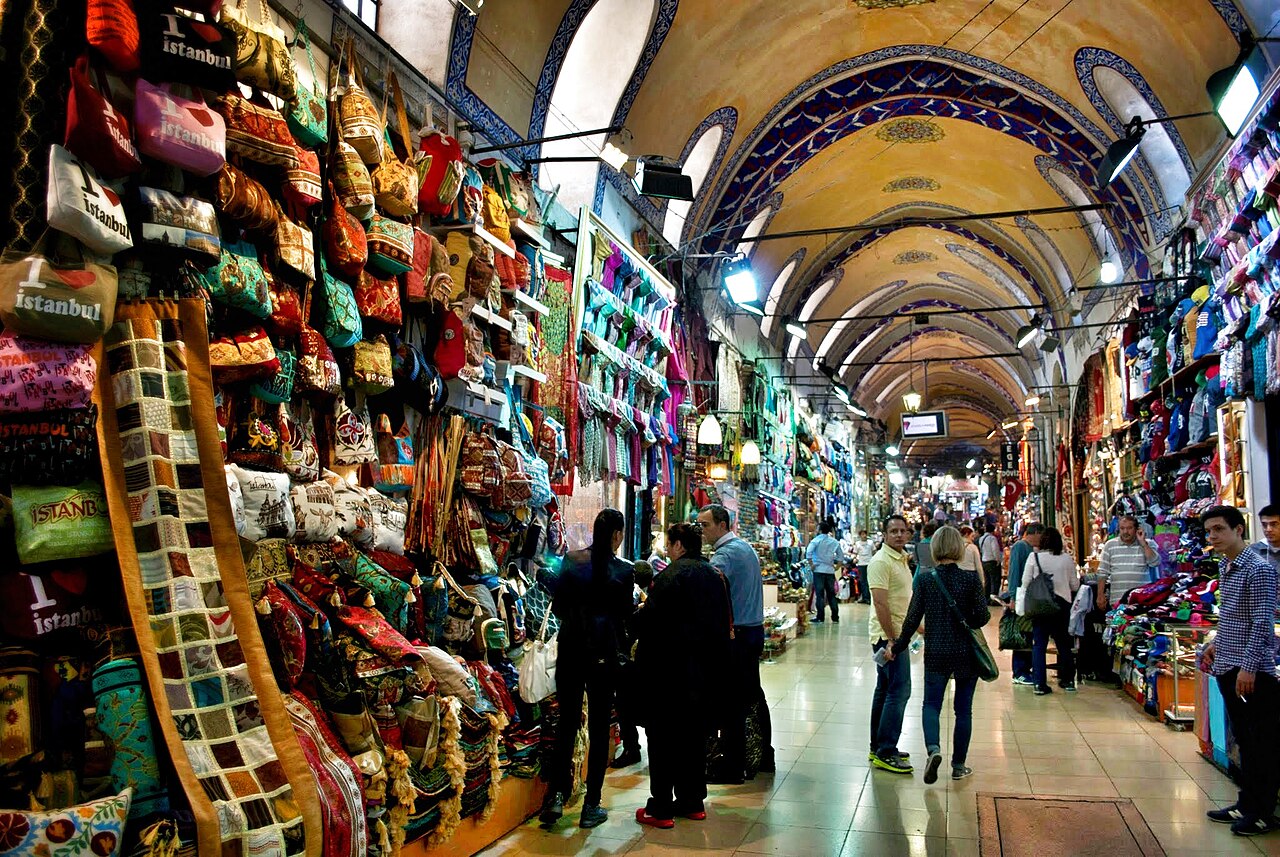
Hassle is the complaint visitors make about Egypt more than any other, and it is real. It is also easy to handle once you see how it works.
The trick is almost always the same: you are handed a small favour, then charged for it. A headscarf is draped on your child. Your own camera is taken to photograph you. A "guard" waves you into a side chamber. A camel handler helps you climb on.
None of it is free. The price comes afterwards, when you already feel you owe something.
"La, shukran." — "No, thank you." Say it once and keep walking at the same pace.
"How much, before you start?" — Ask it every time, about everything.
Those two deal with around 90% of it.
Camels. Climbing on has a price; getting down gets its own quote. Settle the full amount before you touch the animal, and write it down on your phone. On our tours the camel is included and we pay the handler ourselves.
"It's closed today." Someone says the museum is shut or the road is closed and suggests somewhere else. It is open. Go to the entrance and see.
The helpful "guard". A man in something like a uniform lifts a rope, shows you a carving, or offers a photo where photos are not allowed — then wants paying. He does not work there.
The papyrus "institute". Genuine workshops exist and are worth a visit. The one a driver takes you to without being asked pays him a 40% commission, and it comes out of your price.
Taxi meters. Cairo's black-and-white taxis don't use them. Fix the fare before you set off, or use Uber or Careem, which both work well and end the haggling.
Mixed-up notes. Look at your change. In dim light the 200 EGP and 10 EGP notes look alike.
Baksheesh is a normal, legitimate part of service in Egypt — for toilet attendants, porters, the man minding the car. 10–20 EGP is usual and welcome. The difference from the tricks above: a real service, before you asked, for a small amount, is not a scam.
On a guided tour, your Egyptologist deals with all of this — paying site staff, sorting out the camel, and keeping you out of the papyrus shops unless you want to go. Our guides take zero commission from any shop, so they have no reason not to tell you when something isn't worth buying.
6+ people · Private car + guide

Three routes into Egypt, one fee, and the queue that decides which one you should choose. What each option costs and when it makes sense.
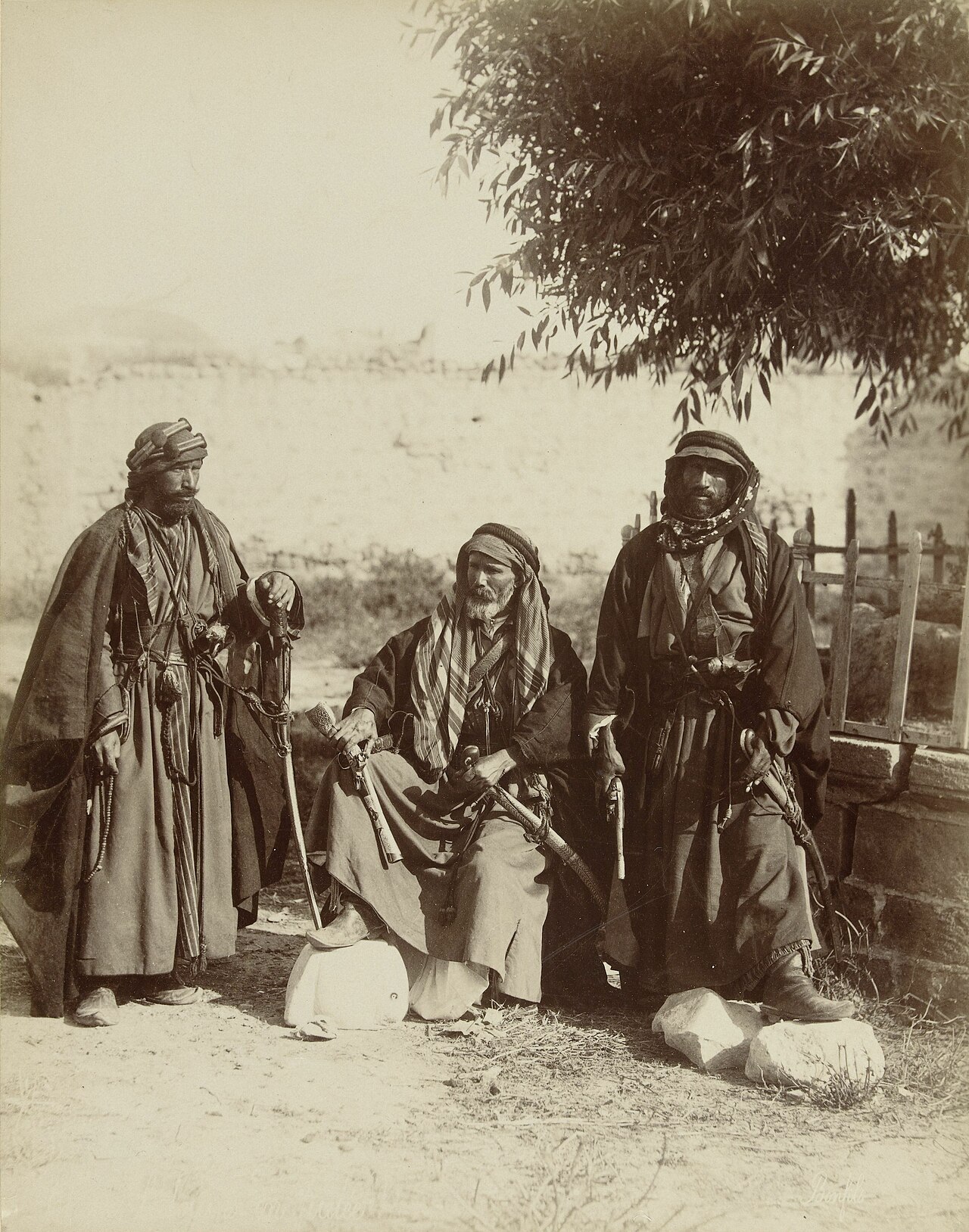
Loose, light and covered works almost everywhere. Here is what that looks like for women and men, season by season, and the three things people always leave at home.