
4 hours
Cairo & GizaNew
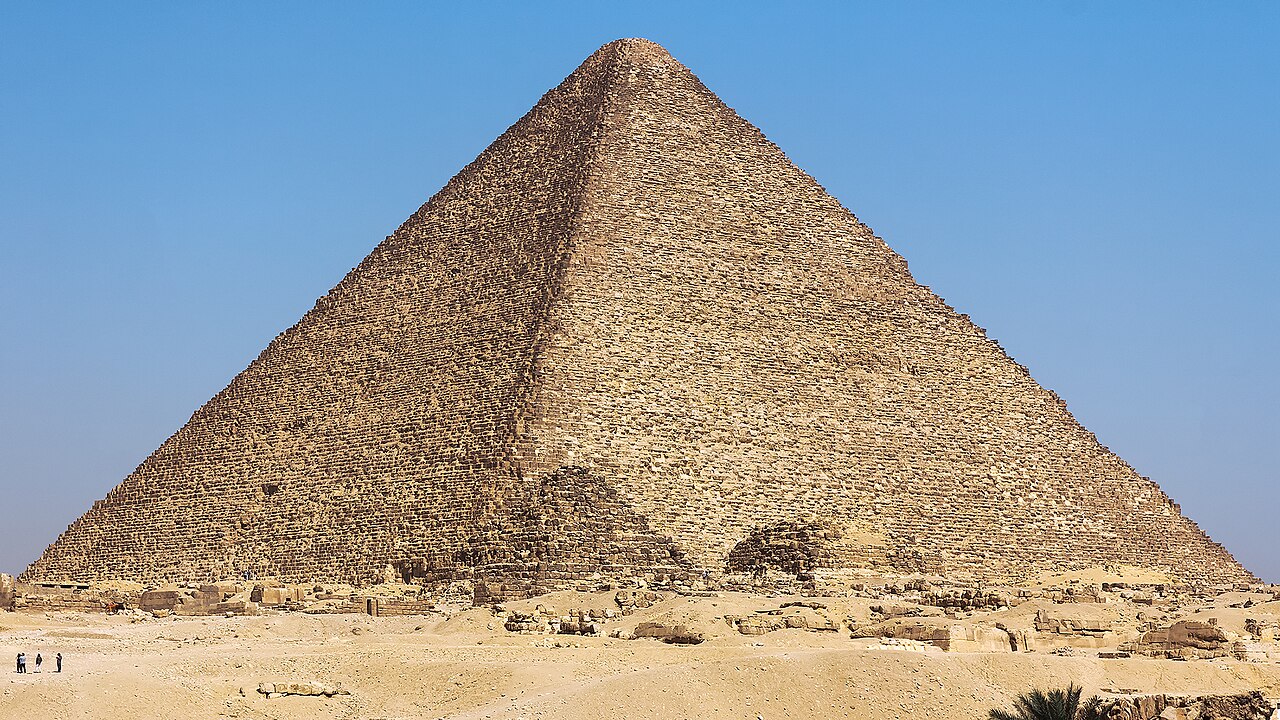
Giza Pyramids and Sphinx: Private Half Day
From
$14.70
per person
6+ people · Private car with driver only
Three routes into Egypt, one fee, and the queue that decides which one you should choose. What each option costs and when it makes sense.
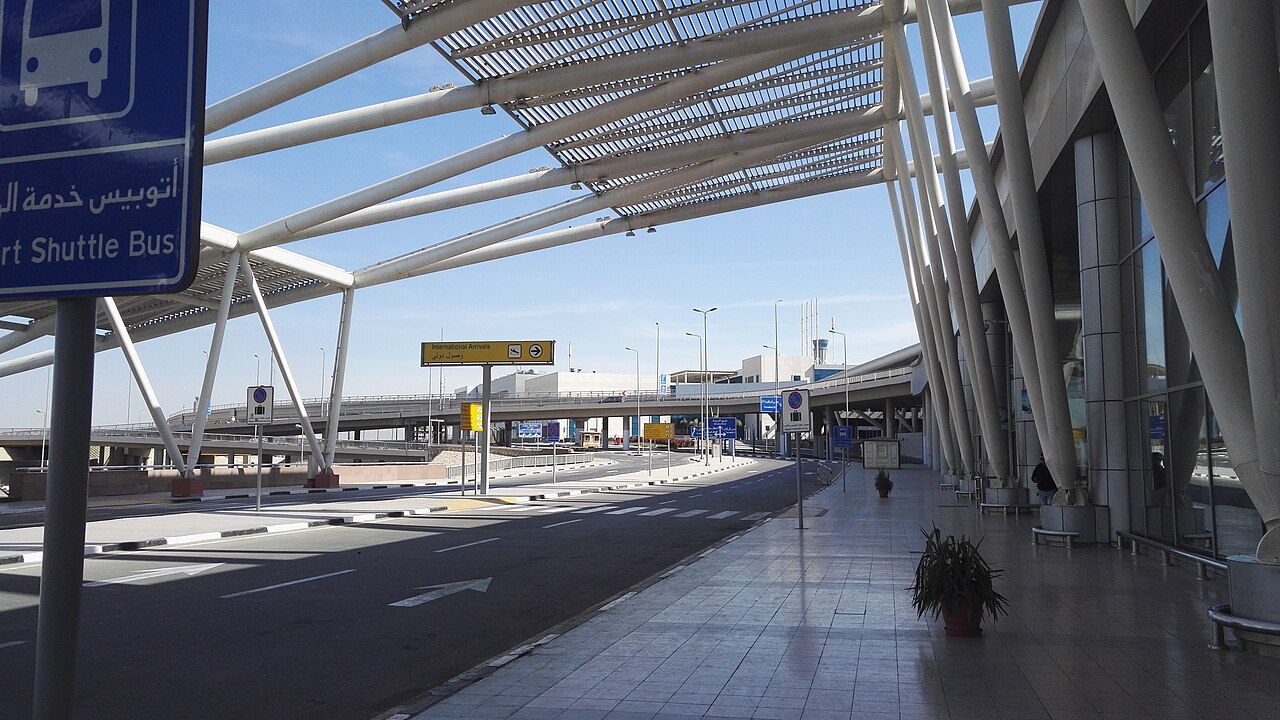
Most passports need a visa for Egypt: a $25 single-entry tourist visa, valid for 30 days.
You can get it three ways.
For most people this is easiest. At Cairo, Luxor, Aswan, Hurghada, Sharm or Alexandria, before passport control, a bank kiosk in the arrivals hall sells visa stickers. Buy one, put it in your passport, then queue for immigration.
Have the exact amount ready. Change is given grudgingly and the card machines often fail.
Apply online at visa2egypt.gov.eg, no later than seven days before you fly. It is $25 for a single entry or $60 for multiple entries; you print the PDF and show it at immigration.
It makes sense if your flight lands at 3am and you want to skip the kiosk, or if your nationality cannot get a visa on arrival.
Landing at Sharm El Sheikh or Taba and staying only in South Sinai — Sharm, Dahab, Nuweiba, Taba or Saint Catherine? You can have a free 15-day entry permit in place of a visa.
It has limits: no visiting Ras Mohamed National Park overland, and no day trip to Cairo or Luxor. If you might leave Sinai at all, buy the full visa.
Most Arab states and several African countries need no visa — Bahrain, Kuwait, Oman, Saudi Arabia, the UAE, Jordan, Lebanon and others. The list changes, so check it before you count on it.
Our visa-on-arrival handling service costs $40 per person, the $25 fee included. Our representative at the airport buys and fixes your visa before you get to immigration, and you go straight to the desk. Add fast-track and, on a busy Cairo evening, it usually saves about an hour.
After the 30 days are up there is a 15-day grace period; after that, expect a fine of about $30 at the airport. You can extend at the Mogamma in Cairo, but it takes half a day.
6+ people · Private car with driver only
6+ people · Transit driver only
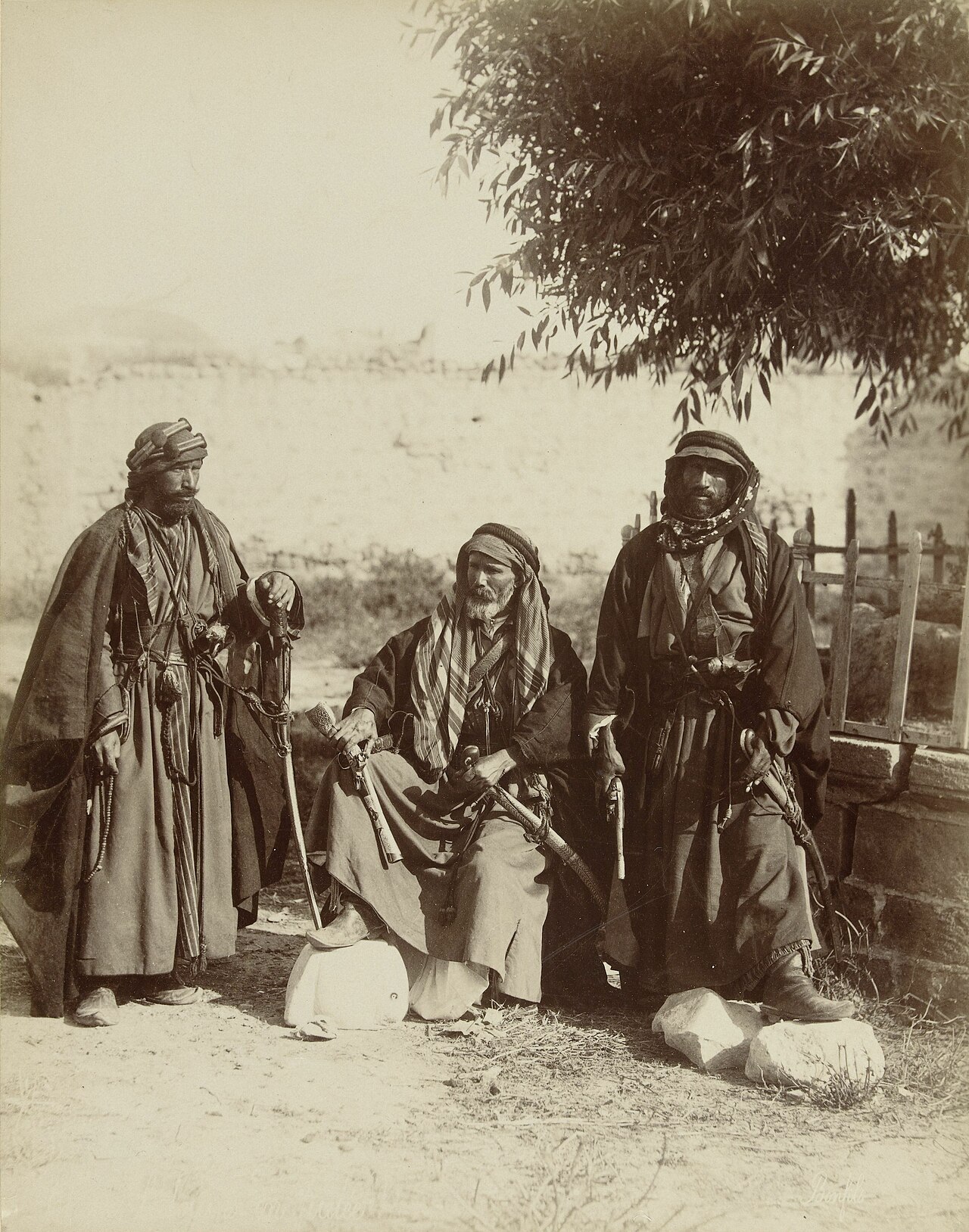
Loose, light and covered works almost everywhere. Here is what that looks like for women and men, season by season, and the three things people always leave at home.
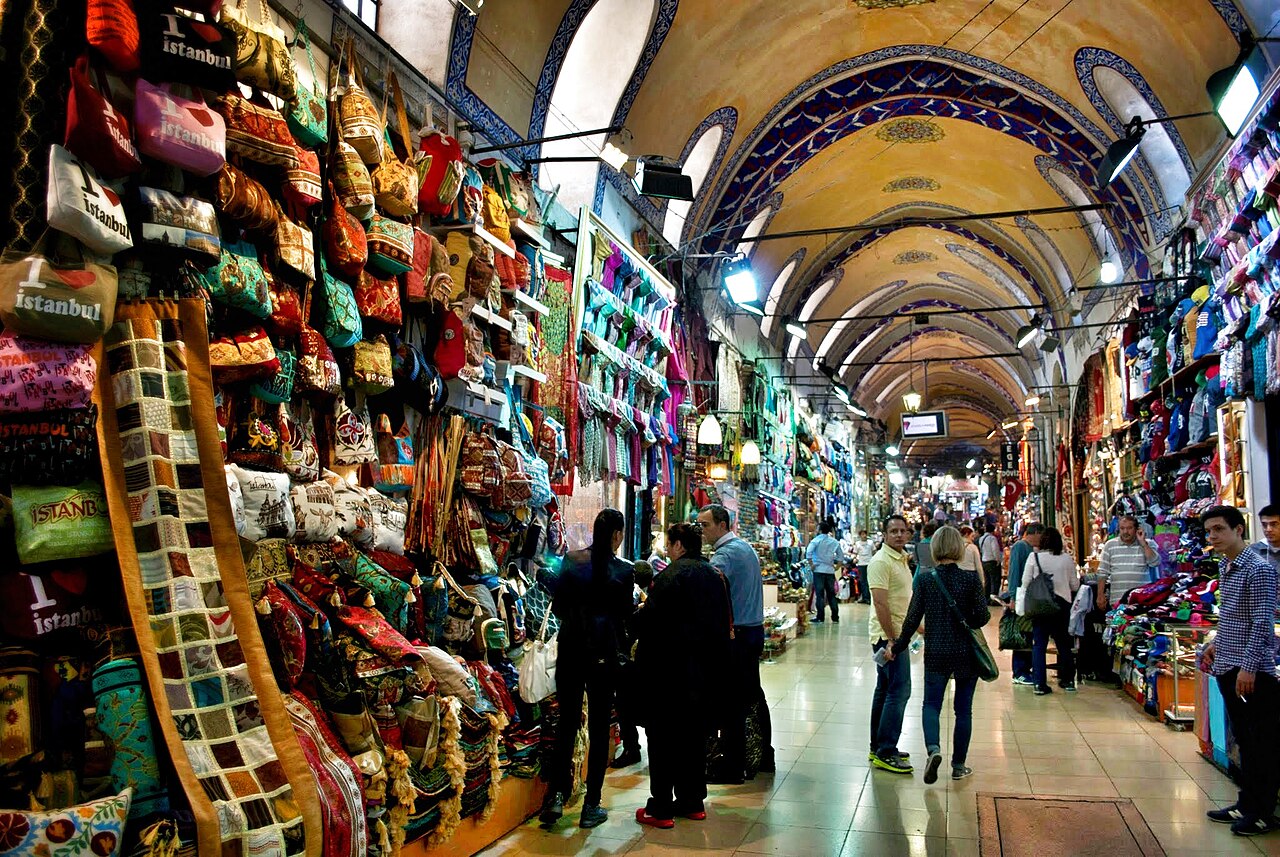
Local advice on the tricks you are most likely to meet, why they catch people out, and the two phrases that stop nearly all of them.